RESEARCH
Understanding complex subsurface processes.
Solving energy and environmental challenges.
Grounded in geomechanics, our research spans oil and gas, CCS, next-generation geothermal systems, and underground hydrogen storage, with a focus on subsurface productivity and safety.
We combine geomechanics, fluid mechanics, numerical simulation, and laboratory experiments to improve subsurface productivity and address environmental and safety challenges. Technologies developed for oil and gas are extended to CO₂ geological storage (CCS), next-generation geothermal systems, and underground hydrogen storage.
RESEARCH PORTFOLIO
From resource development
to next-generation geo-energy.
We extend well, reservoir, and geomechanics technologies developed for oil and gas toward CCS, geothermal energy, and underground hydrogen storage.
Oil & Gas
Wells, productivity, sand production, fracturing, and acidizing.
CCSCO₂ Geological Storage
Leakage, fault stability, induced seismicity, and risk evaluation.
GEOTHERMALNext-generation Geothermal
Fracture and flow control, heat recovery, and microseismicity.
HYDROGENUnderground Hydrogen Storage
Injection and production, storage performance, and rock integrity.
RESEARCH THEME
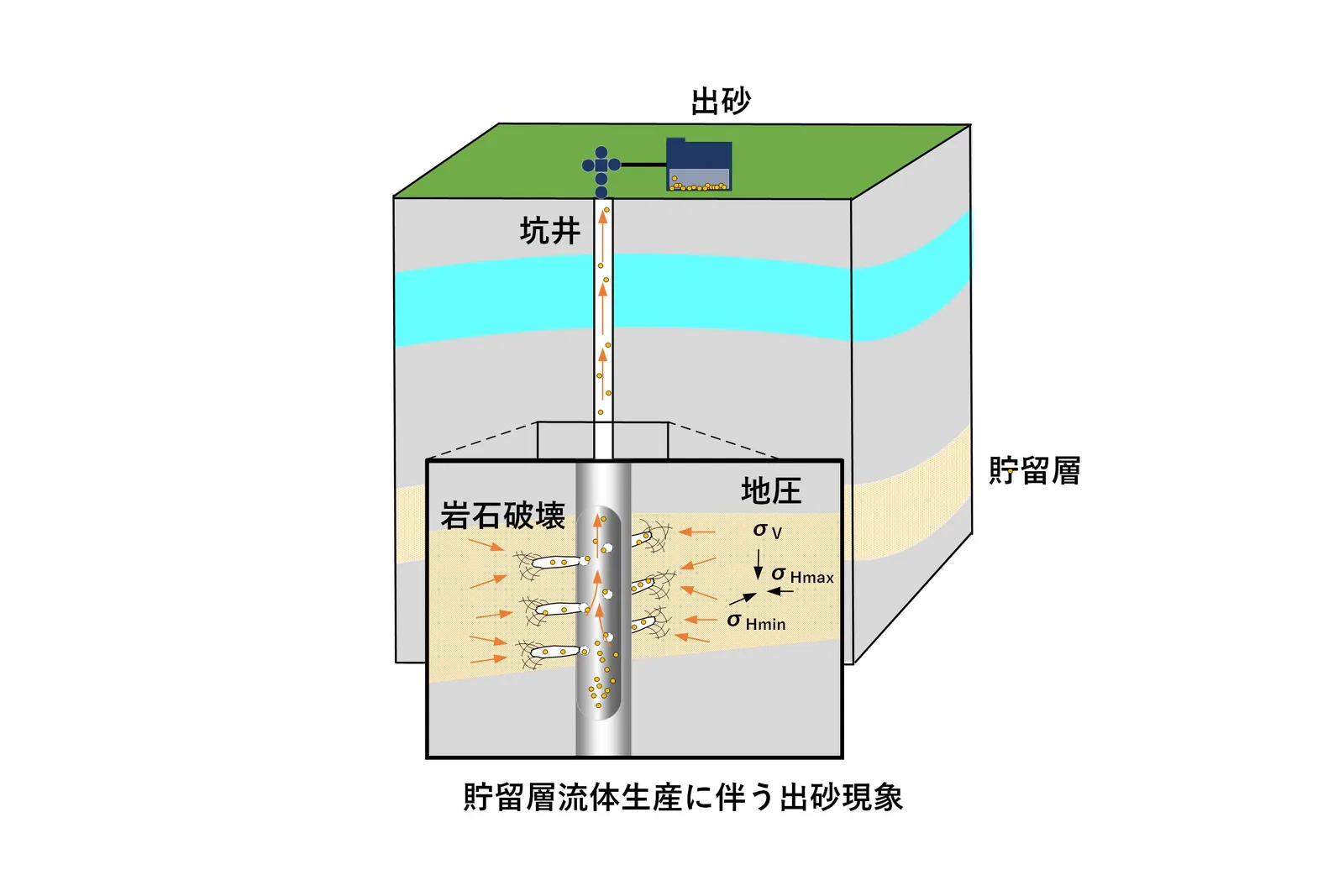
Research on Sand Production and Control
Sand production occurs when rock around a well fails as pore pressure changes during production or injection. The laboratory studies sand-rate prediction, productivity impacts, and completion methods that maintain production and injection performance.
RESEARCH THEME
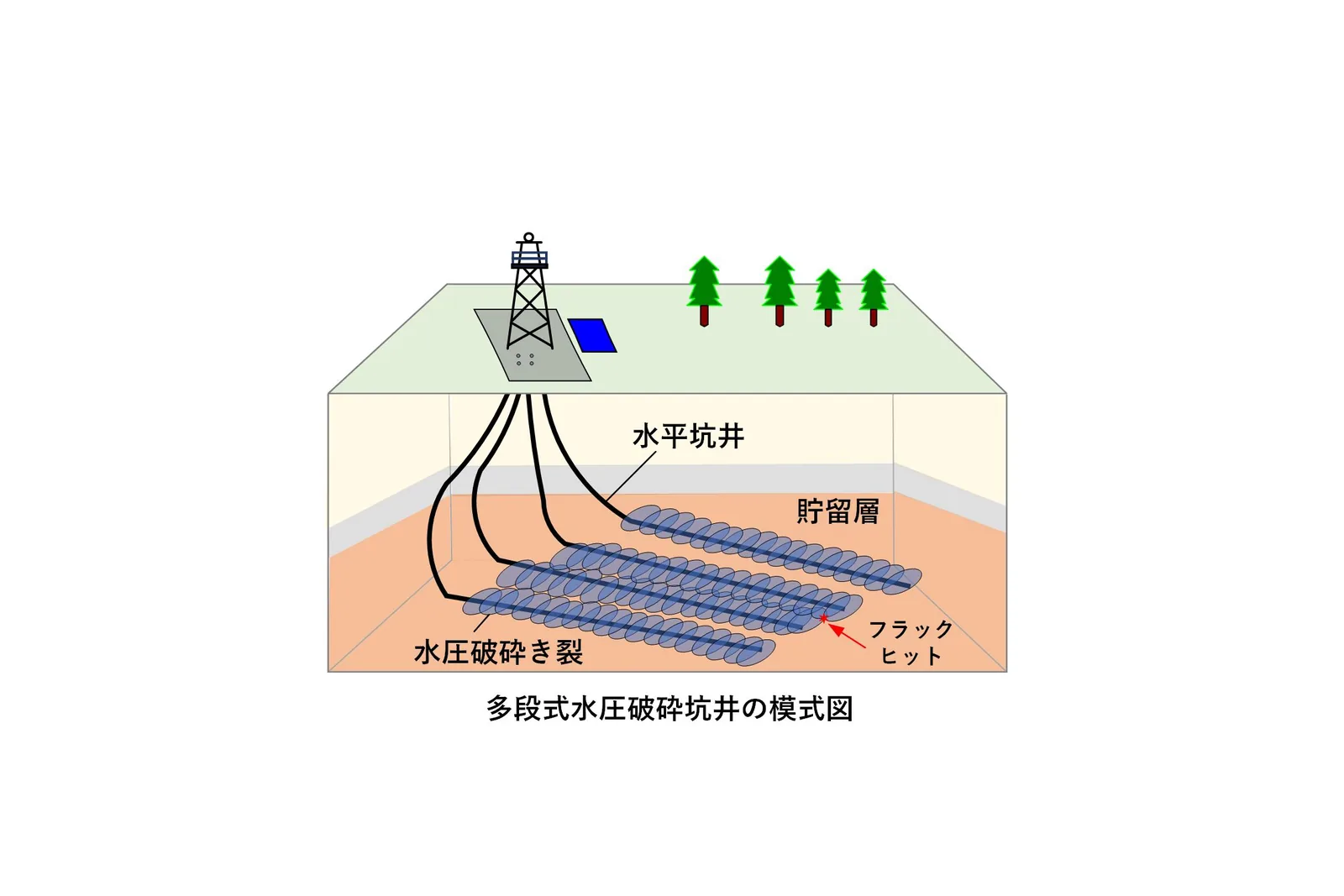
Research on Hydraulic Fracturing
Hydraulic fracturing improves fluid flow by creating fractures through high-pressure injection. Our work includes fracture-propagation simulation, experiments on fracture branching and deflection, and productivity evaluation for fractured wells.
RESEARCH THEME
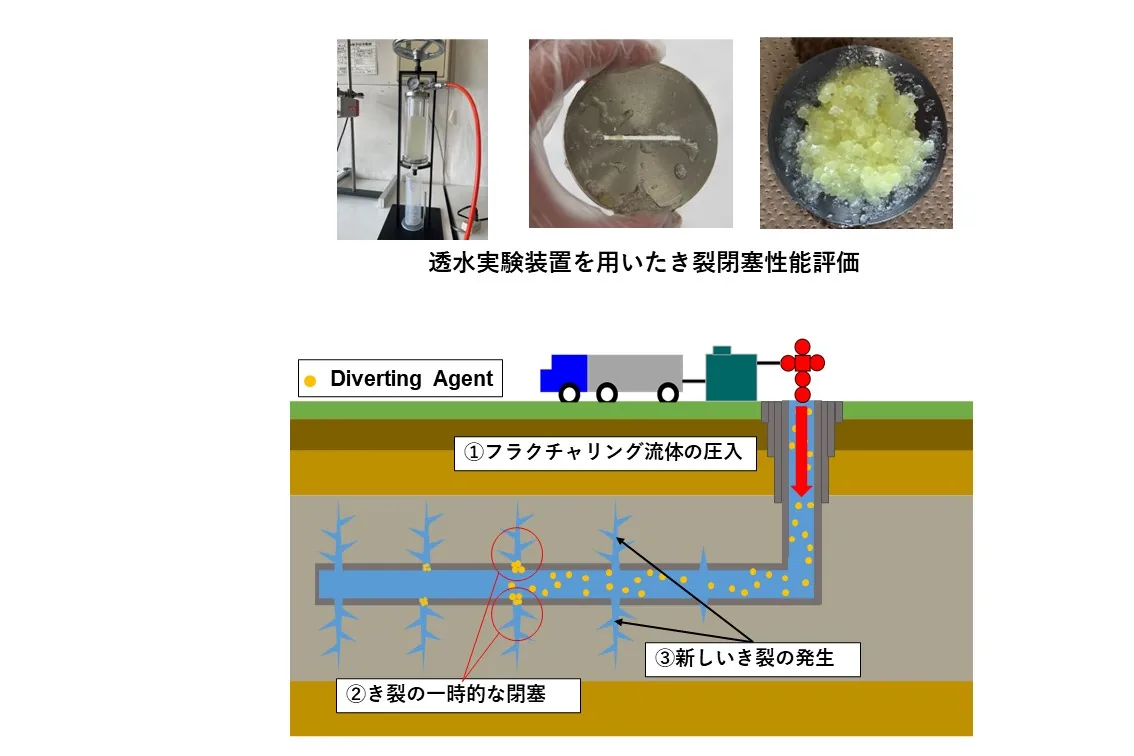
Research on Fluid Diversion Technology
Diversion distributes injected fluid more effectively among multiple fractures or intervals. We study plugging mechanisms and field applicability of particulate diverting agents, including biodegradable materials and proppant-based systems.
RESEARCH THEME
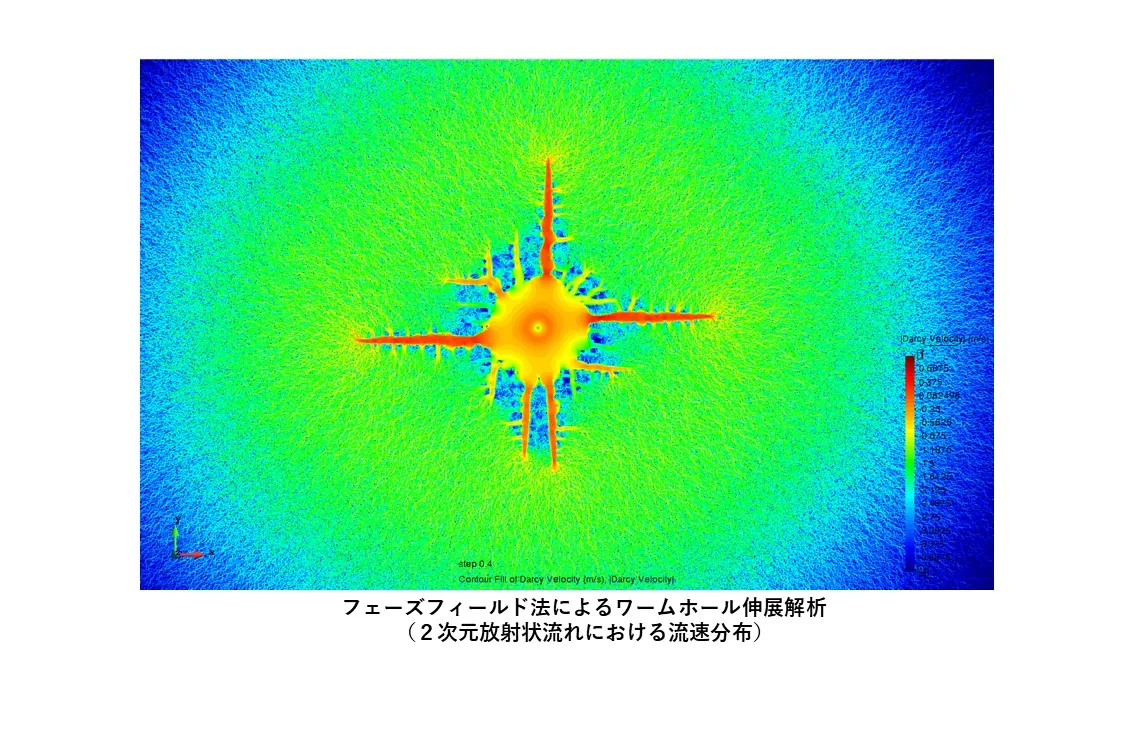
Research on Acid Wormholing
Carbonate matrix acidizing can create highly conductive wormholes. We combine numerical analysis and laboratory experiments to understand mineral dissolution, wormhole initiation, and growth mechanisms.
RESEARCH THEME
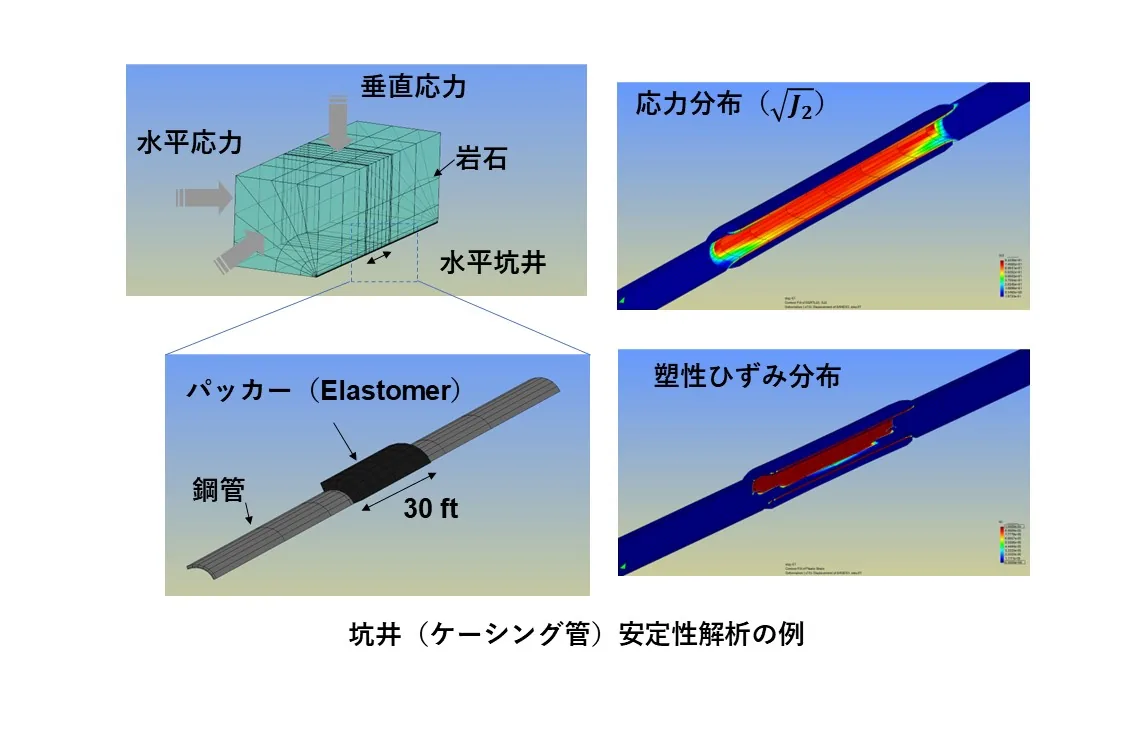
Research on Wellbore Instability Problems
Wellbore instability can cause drilling problems such as collapse, lost circulation, and pipe sticking. We develop multiphysics models that couple thermal, hydraulic, chemical, and mechanical processes and analyze field drilling data with industry partners.
RESEARCH THEME
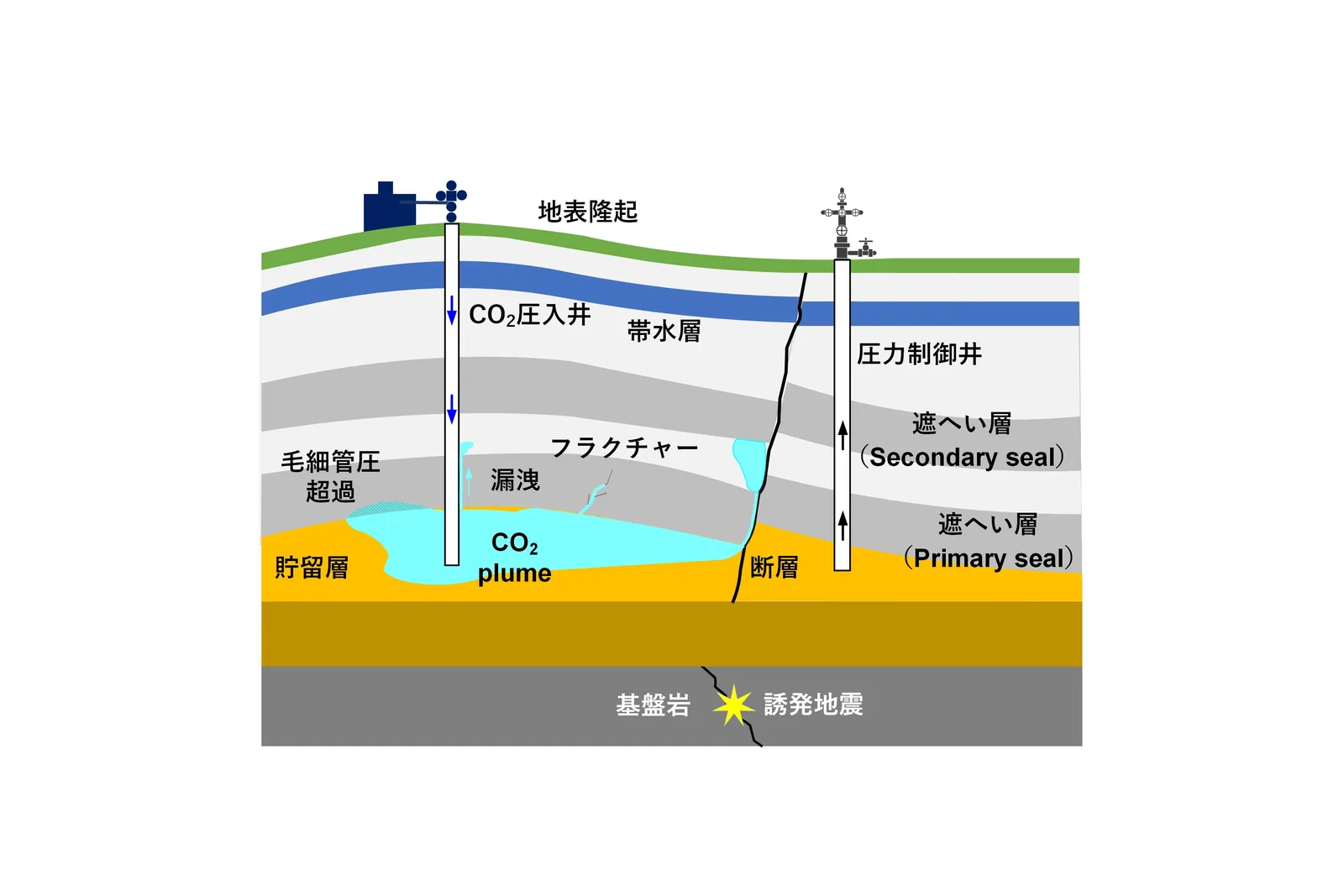
Research on CCS Geomechanics
For CCS, geomechanical risks include surface deformation, leakage, caprock integrity, fault slip, and induced seismicity. We develop regional-scale geomechanics models and quantitative approaches for evaluating these risks under geological uncertainty.
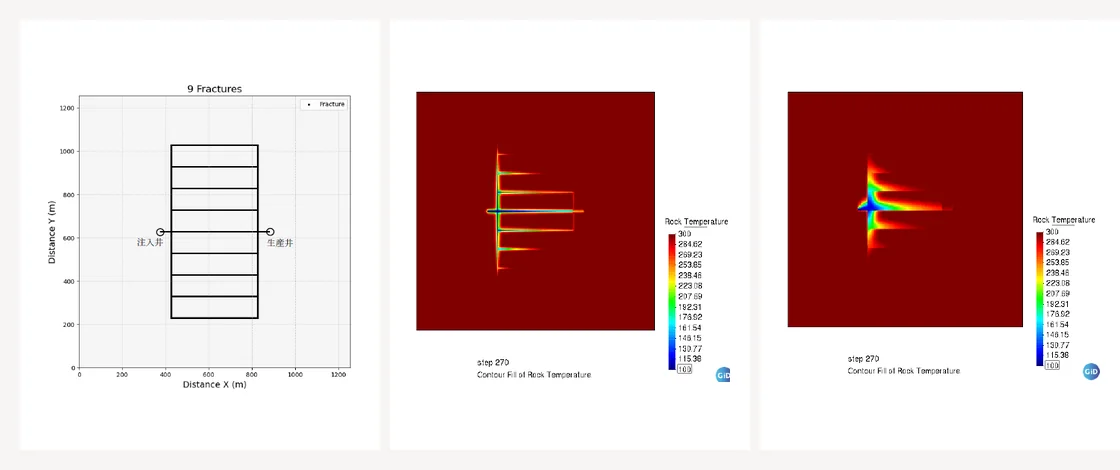
Example well/fracture configuration and simulated rock/fracture temperature distributions after 270 days
RESEARCH THEME
Next-generation Geothermal Systems
Challenge: Emerging concepts such as supercritical geothermal, closed-loop systems, and EGS require economically viable drilling, effective fracture creation, high circulation-fluid recovery, and management of microseismicity.
Research: We model three-dimensional fracture geometry and distribution, fracture mechanics and permeability evolution, diversion-based flow-path control, and the effect of micro-advection on thermal-energy recovery.
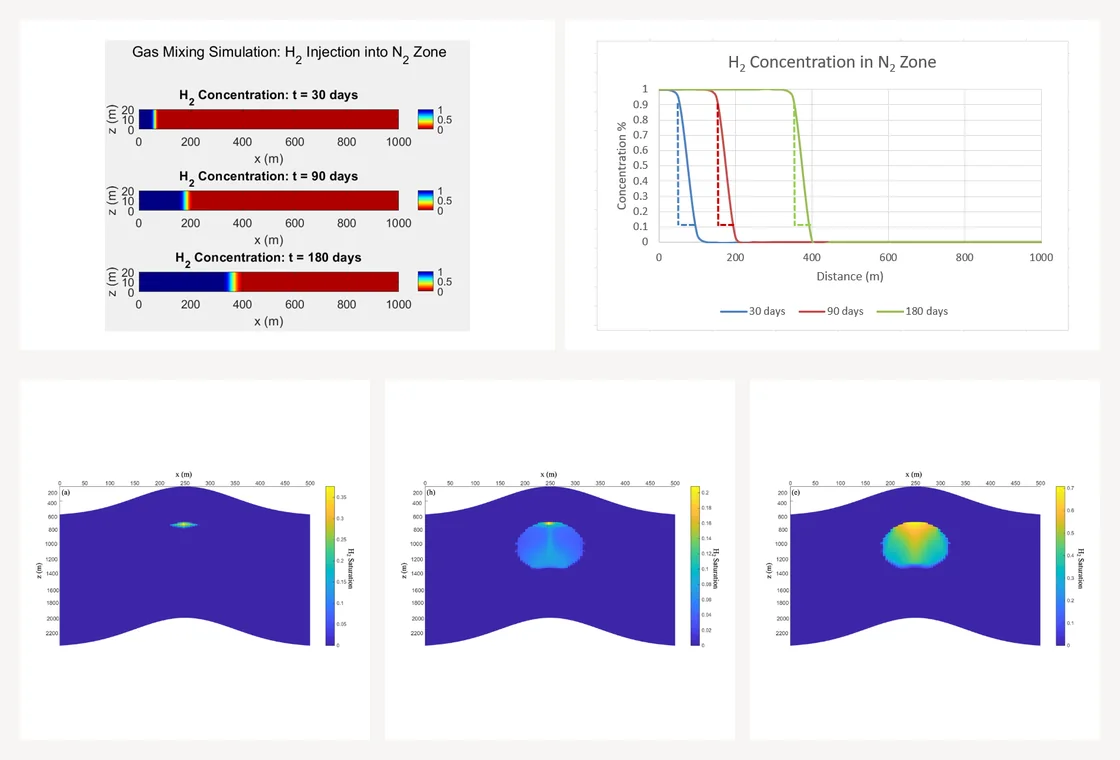
Examples of cushion-gas effects and simulated hydrogen-saturation evolution during injection and production
RESEARCH THEME
Underground Hydrogen Storage
Challenge: Large-scale, long-duration hydrogen storage requires efficient injection and production, reduced hydrogen loss, and evaluation of rock integrity and leakage risks under cyclic operation.
Research: We study cushion-gas type and volume, well placement and operating conditions, geomechanical integrity during repeated injection and production, and coupled thermal-hydraulic-mechanical-chemical (THMC) simulation of storage behavior.